A Naturopathic Guide to Propolis


Nature’s Ancient Treasure: Propolis
New Zealand is home to an incredible array of native flora, many of which are recognised for their unique properties. An example is the mānuka tree, a species that has long been a part of New Zealand’s natural landscape. New Zealand has many other natural treasures, such as products made from honeybees, including propolis and the world-famous mānuka honey.
A History of Honey
Honey has been referenced in many cultures for centuries, including in historical and traditional contexts. Did you know honey has been found in ancient Egyptian tombs as old as 3000 years? Honey was sometimes placed alongside mummified Pharaohs as an offering of nourishment for the afterlife. Due to its unique composition, including its high acidity and low moisture, honey can remain preserved for a very long time…. though it’s probably best not to eat a jar of 3000-year-old honey!
Mānuka Honey and Propolis
Many of us are familiar with the popularity of New Zealand mānuka honey. Mānuka is a native New Zealand plant that is renowned for its distinct characteristics. You’ll find manuka honey used in a range of products, from pantry staples to personal care. Another bee-made substance is propolis.
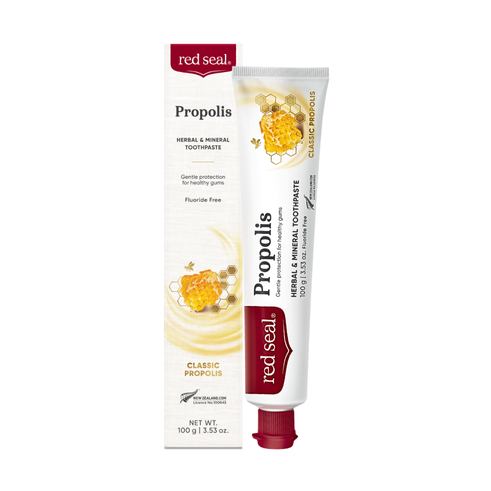
Propolis is a sticky, resinous substance made from beeswax, pollen, resin, and plant compounds. Bees use propolis to help line and protect the hive. Like honey, propolis has long featured in traditional knowledge systems across different cultures. Today, some people choose propolis‑containing products as part of their personal care routines.
What Makes New Zealand Propolis Unique?
As mentioned previously, propolis contains plant compounds, which honeybees gather from diverse flora across New Zealand. Did you know that around 80% of native plants in New Zealand are endemic, meaning they are not found anywhere else in the world.
Some of these native species include mānuka, kānuka, and kawakawa. These plants contain unique compounds that contribute to the makeup of New Zealand propolis and are part of the reason it is so special. contain unique compounds that contribute to the natural characteristics of local flora. Some parts of New Zealand are subject to extreme climates, such as exposure to high UV light. High UV can contain unique compounds that contribute to the natural characteristics of local flora.
Using products inspired by native New Zealand plants can be a nice way to feel connected to our environment. If you enjoy manuka honey in the kitchen, you might also like the flavour and freshness of propolis-containing oral care products as part of your daily routine.
References available upon request. This blog shares personal experiences and perspectives. It’s not intended as individual advice, always check with your own naturopath, GP or healthcare provider for any health-related decisions.